

Circuit Breaker Keeps Tripping? Causes, Fixes & When to Call an Electrician
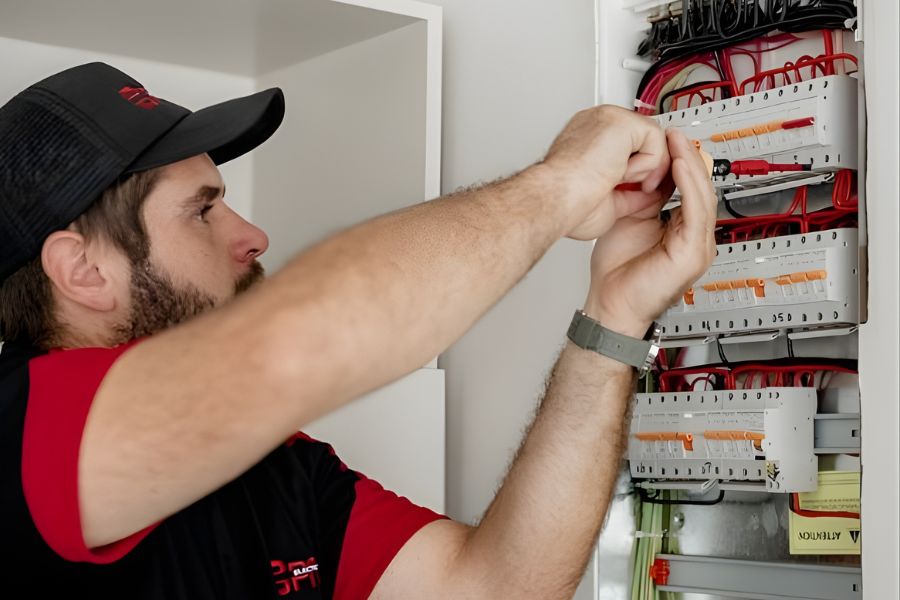
A circuit breaker keeps tripping because it detects an electrical fault such as an overloaded circuit, faulty appliance, short circuit, earth leakage or a failing breaker. While resetting it once is usually safe, repeated tripping should never be ignored because it can indicate a more serious electrical problem.
In this guide you’ll learn the most common reasons a circuit breaker keeps tripping, how to identify the cause safely, when you can reset it yourself, and when it’s time to call a licensed Auckland electrician.
Most tripping breakers are caused by:
- overloaded circuits
- faulty appliances
- short circuits
- earth leakage
- faulty circuit breakers
The safest first step is to unplug appliances, reset the breaker once and stop using the circuit if it trips again.
A circuit breaker that keeps tripping is one of the most common electrical problems homeowners face. While it may seem like a minor inconvenience, frequent breaker trips can signal overloaded circuits, faulty appliances, or even serious electrical hazards. If you live in Auckland and your circuit breaker keeps switching off, it’s important to identify the cause before it leads to bigger problems.
For ongoing protection, many homeowners also schedule regular electrical safety inspections and work with a trusted licensed electrician in Auckland to keep their systems safe and compliant.
Why Does a Circuit Breaker Keep Tripping?
A circuit breaker trips to protect your home’s electrical system from damage caused by overloaded circuits, short circuits, earth faults, or faulty appliances. If the breaker trips repeatedly, it should not be ignored, as it may indicate an electrical fault that requires professional inspection.
Circuit breakers are designed to protect your home from electrical overloads and potential fire risks. When too much current flows through a circuit, the breaker automatically shuts off power to prevent damage.
Here are the most common reasons breakers trip in Auckland homes:
1. Overloaded Circuits
Modern homes use more electrical devices than ever before. Running multiple high-power appliances on the same circuit, such as heaters, microwaves, kettles, or air conditioners, can overload the system.
Signs of an overloaded circuit:
- Breaker trips when several appliances are running
- Flickering lights
- Warm power outlets
How to fix it:
- Unplug unnecessary devices
- Spread appliances across different outlets
- Avoid using extension boards excessively
- Consider switchboard upgrades or dedicated circuits if overloads happen frequently
If the issue continues, a professional fault-finding electrician can inspect your home’s electrical load and recommend the safest solution.
2. Faulty Appliances
A damaged appliance can draw excessive current or create a short circuit, causing the breaker to trip immediately.
Common culprits include:
- Old heaters
- Faulty washing machines
- Damaged kettles
- Refrigerators with wiring issues
How to test:
- Unplug all devices connected to the affected circuit
- Reset the breaker
- Plug appliances back in one at a time
- If the breaker trips after plugging in a specific appliance, that device may be faulty
If you suspect appliance-related electrical problems, it’s best to arrange professional electrical repairs before the issue worsens.
3. Short Circuits
Short circuits occur when hot wires touch neutral wires, creating a sudden surge of electricity. This is a serious issue that can cause sparks, burning smells, or fire hazards.
Warning signs:
- Burning smell near outlets
- Blackened sockets
- Sparks when plugging in devices
- Breaker trips instantly
What to do:
Turn off power immediately and contact a 24/7 emergency electrician in Auckland. Short circuits should never be ignored, as they can quickly become a major safety risk.
4. Ground Faults
Ground faults happen when electricity escapes its intended path and flows into the ground. These are especially common in kitchens, bathrooms, laundries, and outdoor areas where moisture is present.
Signs include:
- Breaker trips in wet areas
- RCD/safety switch outlets keep resetting
- Mild electric shocks from appliances
Installing modern RCD safety switches and scheduling routine electrical maintenance services can help prevent dangerous ground faults in your home.
5. Old or Faulty Circuit Breakers
Sometimes the breaker itself is the problem. Older switchboards in Auckland homes may contain worn-out breakers that trip too easily or fail to operate correctly.
You may need replacement if:
- The breaker feels loose
- It won’t reset properly
- Trips occur randomly without heavy appliance use
A complete switchboard replacement or house rewiring service may be necessary for older homes with outdated electrical systems.
What should you do if a breaker keeps tripping?
If a breaker trips once, turn off appliances on that circuit and reset it once. If it trips again, do not keep resetting it. Repeated tripping can indicate a wiring fault, overloaded circuit, faulty appliance or switchboard issue.
Safe first steps:
- Turn off appliances connected to the affected circuit
- Reset the breaker once only
- Unplug appliances and test them one at a time
- Stop using the circuit if the breaker trips again
- Call BPM Electrical if you notice burning smells, sparks, heat, buzzing or repeated trips
How to Reset a Tripped Circuit Breaker
Follow these steps carefully:
- Turn off appliances connected to the affected circuit
- Locate your switchboard
- Find the breaker in the “off” or middle position
- Flip it fully off first
- Switch it back on firmly
If the breaker trips again immediately, stop using the circuit and contact a qualified residential electrician in Auckland.
When is a tripping breaker an emergency?
A tripping breaker can be an emergency if it is linked to burning smells, smoke, sparks, electric shocks, hot power points, buzzing from the switchboard, or repeated power loss. In these cases, turn off the affected circuit if it is safe and call an emergency electrician.
For urgent electrical faults, contact our Emergency Electrician Auckland team.
When to Call an Electrician in Auckland
You should contact a professional electrician if:
- Breakers trip repeatedly
- You notice burning smells or sparks
- Power outlets feel hot
- Lights flicker frequently
- Your home has an older switchboard
- You suspect faulty wiring
Professional fault finding services can identify hidden electrical issues before they become expensive or dangerous.
Can an old switchboard cause breakers to trip?
Yes. Older switchboards, worn breakers, overloaded circuits or missing modern safety protection can cause repeated tripping. If your home has ceramic fuses, frequent breaker trips, no RCD/RCBO protection or trouble running modern appliances, BPM Electrical can inspect the switchboard and recommend whether repairs, dedicated circuits or a switchboard upgrade is needed.
Learn more about Switchboard Upgrades Auckland.
Prevent Future Circuit Breaker Problems
Here are a few simple ways to reduce electrical issues:
- Avoid overloading power boards
- Upgrade outdated wiring
- Schedule regular electrical safety inspections
- Replace damaged appliances promptly
- Install dedicated circuits for heavy appliances
- Consider modern home electrical upgrades during renovations
Why Choose BPM Electrical for Circuit Breaker Faults?
- EWRB-registered electricians
- Master Electricians
- Emergency response
- Auckland-wide service
- Fault-finding specialists
Final Thoughts
A tripping circuit breaker is your home’s way of warning you that something isn’t right. While some issues are simple fixes, others may indicate serious electrical faults that require professional attention.
If your Auckland home experiences frequent breaker trips, working with an experienced Auckland electrician can help prevent costly repairs, improve safety, and keep your electrical system running reliably for years to come.
Circuit Breaker FAQs
A circuit breaker usually trips to protect your home's electrical system from overloads, short circuits, ground faults, faulty appliances, or wiring problems. If the breaker trips repeatedly, it should be inspected by a licensed electrician to identify the underlying cause.
No. If a circuit breaker trips more than once, avoid repeatedly resetting it. Frequent tripping often indicates an electrical fault that could increase the risk of electric shock, equipment damage, or fire. Switch off appliances connected to the affected circuit and arrange a professional electrical inspection.
If a breaker trips with no appliances connected, the problem may be caused by damaged wiring, a faulty circuit breaker, moisture affecting the electrical system, or a switchboard fault. These issues usually require professional fault finding to locate and repair safely.
Yes. Older switchboards or worn circuit breakers may struggle to handle modern electrical demand and can trip more frequently. If your home has ceramic fuses, outdated protection devices, or recurring electrical faults, an electrician can assess whether a switchboard upgrade is recommended.
You should contact an electrician if your circuit breaker trips repeatedly, will not reset, trips without any appliances connected, or is accompanied by burning smells, sparks, buzzing noises, hot power points, or signs of electrical damage. These may indicate a fault that requires immediate attention.
To help prevent nuisance trips, avoid overloading power boards, replace faulty appliances, schedule regular electrical inspections, upgrade outdated switchboards where necessary, and install dedicated circuits for high-power appliances such as ovens, heat pumps, and EV chargers.
Need help with a circuit breaker that keeps tripping?
If your circuit breaker keeps tripping, don’t ignore it. Repeated trips can indicate overloaded circuits, faulty appliances, damaged wiring or switchboard faults that require professional attention. BPM Electrical’s EWRB-registered Master Electricians provide expert electrical fault finding, breaker repairs, switchboard upgrades and 24/7 emergency electrical services across Auckland. We’ll identify the underlying cause and recommend the safest, most reliable solution to restore your home’s electrical safety.
Call 0800 443 599 or request a quote from BPM Electrical.