

House Rewiring in Auckland: Why Experience Is Critical
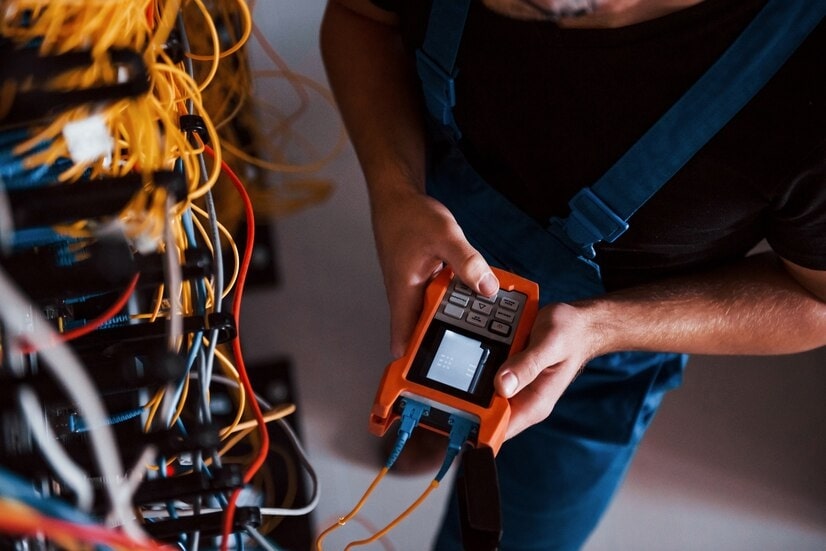
House rewiring is one of the most complex electrical upgrades a homeowner can undertake. It involves replacing outdated electrical wiring hidden behind walls, ceilings, and floors to improve safety, support modern electrical demand, and comply with current New Zealand electrical standards. Choosing an experienced electrician helps ensure the work is completed safely, meets AS/NZS 3000 requirements, minimises disruption, and reduces the risk of hidden electrical faults.
House rewiring involves replacing outdated or unsafe electrical wiring throughout a home to improve electrical safety, support modern appliances, and meet current New Zealand electrical standards. An experienced Auckland electrician can assess your existing wiring, recommend whether a full or partial rewire is required, and complete the work safely with minimal disruption.
What Does a House Rewiring Electrician Do?
A house rewiring electrician replaces outdated or unsafe wiring with modern, compliant cabling to improve electrical safety, support modern power use, and meet current standards. House rewiring typically includes:
● Removing outdated wiring
● Installing new cables and circuits
● Upgrading power points and switches
● Connecting wiring to a modern switchboard
Proper rewiring improves safety and supports modern electrical demand.
Signs Your Auckland Home May Need House Rewiring
Many homeowners don’t realise their wiring is outdated until electrical problems begin to appear.
Common warning signs include:
● Frequent circuit breaker trips
● Flickering or dimming lights
● Burning smells from switches or power points
● Warm or discoloured outlets
● Sparking power points
● Electric shocks
A professional electrical inspection can determine whether repairs, a partial rewire or a complete house rewire is the safest solution.
Why Older Wiring Can Be Unsafe
Many older homes still use wiring that was never designed for today’s electrical needs. Common issues include:
● Worn or brittle insulation
● Overloaded circuits
● Lack of safety switch protection
● Increased fire and shock risk
A qualified rewiring electrician can identify these risks and recommend safe solutions.
Common Types of Old Wiring Found in Auckland Homes
Older Auckland homes may still contain electrical wiring that no longer meets modern safety expectations.
Examples include:
● Rubber-insulated wiring
● Cloth-insulated wiring
● Early PVC wiring showing deterioration
● Ceramic fuse boards instead of modern circuit breakers
While older wiring does not always require immediate replacement, deteriorated insulation, overloaded circuits and previous non-compliant electrical work can significantly increase electrical safety risks.
1. Experience Matters in House Rewiring
House rewiring is complex and requires careful planning. An experienced rewiring electrician understands:
● Load requirements for modern homes
● Safe cable routing and installation
● How to work around structural elements
● How to minimise damage to walls and finishes
Experience reduces risk and ensures work is done correctly the first time.
2. Safety Is the Top Priority During Rewiring
Rewiring work involves live systems, confined spaces, and hidden hazards.
An experienced electrician:
● Follows strict safety procedures
● Ensures proper isolation before work begins
● Tests all circuits thoroughly after installation
At BPM Electrical, safety is a key focus on every rewiring project.
3. Compliance and Certification Are Essential
House rewiring must meet current electrical standards. A professional rewiring electrician will:
● Complete work to regulatory requirements
● Test and certify the installation
● Provide compliance documentation where required
This is important for insurance, property sales, and peace of mind.
4. Planning for Future Electrical Needs
An experienced electrician will also consider future upgrades while planning the rewire, including:
● Solar power systems
● Battery storage
● EV charger installation
● Heat pumps
● Home offices
● Smart home automation
Planning ahead reduces future electrical work and helps avoid unnecessary renovation costs.
5. Reducing Disruption During Rewiring Work
Rewiring can be disruptive, especially in occupied homes.
Experienced electricians:
● Plan work in stages
● Minimise damage to walls and ceilings
● Communicate clearly throughout the process
This helps keep stress and inconvenience to a minimum.
6. What Happens During a House Rewire?
Although every property is different, most rewiring projects follow a similar process.
● Inspect the existing wiring.
● Plan new electrical circuits.
● Isolate power safely.
● Remove outdated wiring.
● Install new cables.
● Upgrade power points and switches.
● Upgrade the switchboard where required.
7. Long-Term Reliability and Peace of Mind
Quality rewiring provides long-term safety and performance.
Experience helps ensure:
● Clean, organised wiring
● Correct circuit labelling
● Reduced risk of future faults
This results in fewer electrical issues and greater confidence in your home’s safety.
8. Why Electrical Testing Is Essential
Once rewiring is complete, electricians carry out comprehensive testing before the installation is returned to service.
Testing typically includes:
● Continuity testing
● Insulation resistance testing
● Polarity testing
● Earth fault testing
● RCD testing
● Functional testing of lighting and power circuits
This confirms the installation is safe and compliant with current New Zealand electrical standards.
Full vs Partial House Rewiring: Which Does Your Auckland Home Need?
Not every home requires a complete rewiring project. Depending on the age of the property and the condition of the existing electrical system, an electrician may recommend either a full or partial house rewire.
What Is a Full House Rewire?
A full house rewire involves replacing most or all of the electrical wiring throughout the property. This is commonly recommended for older homes with outdated wiring, recurring electrical issues, or systems that no longer meet current New Zealand electrical standards. During a full rewire, switchboards, power points, switches, and lighting circuits may also be upgraded to improve safety and support modern electrical demands.
What Is a Partial House Rewire?
A partial house rewire focuses on replacing wiring in specific areas of the home where deterioration, damage, or safety concerns have been identified. This may be suitable when only certain circuits require upgrading, such as after renovations, extensions, water damage, or electrical faults. An experienced electrician can assess the condition of the existing wiring and determine whether a partial rewire is a safe and practical solution.
How Do You Know Which Option Is Right?
The best way to determine whether your home needs a full or partial rewire is through a professional electrical inspection. An experienced Auckland electrician can identify hidden issues, assess the condition of your wiring, and recommend the most appropriate solution based on safety, compliance, and future electrical requirements.
| Full House Rewire | Partial House Rewire |
|---|---|
| ✓Entire home | ✓Selected circuits |
| ✓Older wiring | ✓Localised faults |
| ✓Higher investment | ✓Lower cost |
| ✓Long-term solution | ✓Targeted upgrade |
| ✓Best before renovations |
✓Suitable after renovations |
How Long Does House Rewiring Take?
The duration depends on:
● Size of the home
● Accessibility of wiring
● Whether the home is occupied
● Switchboard upgrades
● Additional circuits
Small homes may take several days, while larger homes or complex projects may require one to two weeks.
An inspection allows your electrician to provide a more accurate timeframe.
Why Choose BPM Electrical as Your Rewiring Electrician?
BPM Electrical has extensive experience delivering professional house rewiring services in Auckland for older homes, renovations, and electrical upgrades.
We provide:
● Honest assessments and clear advice
● Safe, compliant rewiring solutions
● Respect for your home and time
● Reliable after-service support
Our goal is to deliver rewiring work that is safe, durable, and built to last.
House rewiring is not a job to take lightly. The quality of work affects safety for years to come.
Choosing an experienced rewiring electrician ensures the job is done properly, safely, and in line with current standards. When it comes to house rewiring, experience truly matters.
Frequently Asked Questions
How do I know if my Auckland home needs house rewiring?
Does every older home need to be rewired?
What is the difference between a full and partial house rewire?
Why is experience important when choosing a house rewiring electrician?
Can I stay in my home while it is being rewired?
Should I upgrade my switchboard when rewiring my house?
Not always, but many older homes benefit from a switchboard upgrade during rewiring. Modern switchboards with circuit breakers and RCD or RCBO protection improve electrical safety, support higher electrical demand, and help ensure the new wiring complies with current New Zealand standards.
What happens if I delay rewiring an older home?
Delaying necessary rewiring can increase the risk of electrical faults, overloaded circuits, electric shocks, and potential fire hazards. If your home’s wiring is deteriorating or showing signs of wear, arranging a professional electrical inspection early can help identify issues before they become more serious or expensive to repair.
Why Homeowners Choose BPM Electrical for House Rewiring
Homeowners choose BPM Electrical because we combine technical expertise with careful planning and clear communication throughout every rewiring project.
When you choose BPM Electrical, you benefit from:
● EWRB-registered electricians
● Master Electricians
● Safe, compliant workmanship
● Reliable after-service support
● Careful planning to minimise disruption
● Thorough electrical testing
● Compliance documentation
Need a Trusted House Rewiring Electrician?
If you are considering house rewiring, BPM Electrical can provide experienced, safe, and compliant solutions tailored to your home.