

Do I Need a Switchboard Upgrade for an EV Charger?
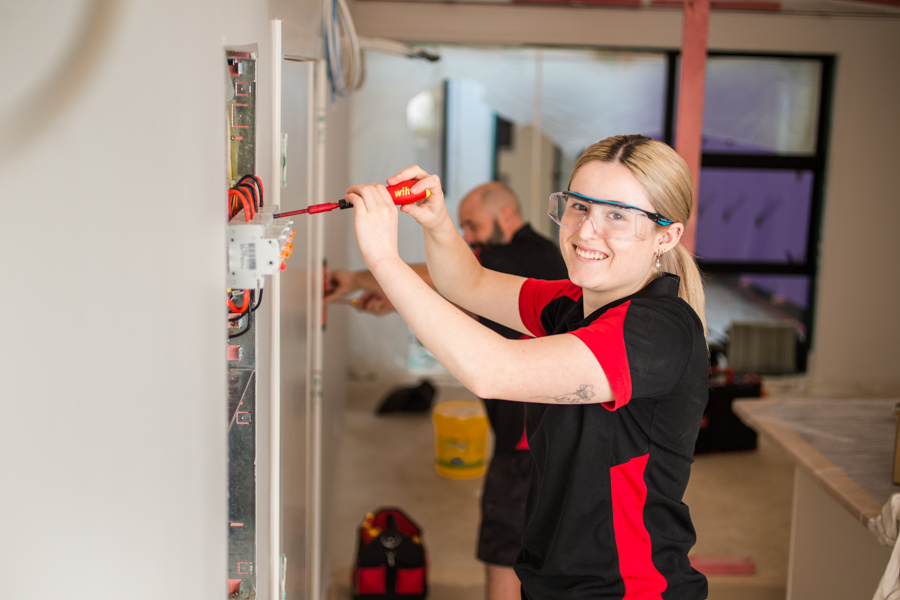
Not every EV charger needs a switchboard upgrade — but your electrical system must be safe, suitable and compliant before installation.
If you are planning to install an EV charger at home, one of the first things an electrician should check is your switchboard. Older, overloaded or limited switchboards may need repairs, extra protection, dedicated wiring or a full upgrade before an EV charger can be safely installed.
BPM Electrical installs EV chargers and switchboard upgrades across Auckland. To arrange an assessment, call 0800 443 599 or visit our EV Charger Installation Auckland page.
Quick Answer: Do EV Chargers Need a Switchboard Upgrade?
Not always. Some Auckland homes can support an EV charger without a full switchboard upgrade, but the switchboard must have enough spare capacity, suitable circuit protection and safe wiring for the charger. If your switchboard is old, already overloaded, frequently tripping or missing modern protection, an upgrade may be recommended before installation.
Why Your Switchboard Matters for EV Charging
An EV charger adds extra electrical demand to your home. Unlike a small appliance, an EV charger may draw power for long periods while the vehicle charges.
Your switchboard helps control and protect the electrical circuits in your property. Before installing an EV charger, a registered electrician needs to check whether the existing electrical system can safely handle the additional load.
This is especially important for older homes, renovated properties or homes already running high-load appliances. If the existing wiring is old or unsuitable, BPM Electrical may also recommend a wider electrical inspection through its Residential Electrician Auckland or House Rewiring Auckland services.
Signs Your Switchboard May Need Upgrading Before EV Charger Installation
Your switchboard may need closer inspection before installing an EV charger if you notice:
- Ceramic fuses or an older-style fuse board
- Frequent circuit breaker tripping
- No modern RCD or RCBO protection visible
- Burning smells, buzzing or heat from the switchboard
- Limited spare capacity for new circuits
- Older wiring or past DIY electrical work
- Power issues when several appliances run at once
- Recent or planned upgrades such as a heat pump, induction cooktop, spa pool or home office setup
These signs do not automatically mean you need a full upgrade, but they do mean your switchboard should be checked before EV charger installation.
What Does an Electrician Check Before Installing an EV Charger?
A professional EV charger assessment is not just about choosing where the charger goes. It checks whether your electrical system can support the charger safely and in compliance with electrical requirements.
An electrician may check:
1. Switchboard condition
Whether the switchboard is modern, safe, clearly labelled and suitable for an additional EV charging circuit.
2. Circuit capacity
Whether your home has enough available electrical capacity, especially if you use heat pumps, ovens, dryers or induction cooking.
3. Circuit protection
Whether suitable protection can be installed for the charger.
4. Wiring route
How the charger will be wired from the switchboard to the garage, carport, driveway or parking area.
5. Charger location
Where the charger can be installed safely and practically.
6. Existing electrical load
How much power your home already uses and whether EV charging could overload existing circuits.
If the switchboard is not suitable, BPM Electrical can advise whether targeted electrical work or a switchboard upgrade is needed.
EV Charger & Switchboard Assessment in Auckland
Before installing an EV charger, make sure your switchboard is ready.
BPM Electrical can inspect your switchboard, check your electrical capacity, advise on charger wiring and complete the required installation work.
Call BPM Electrical on 0800 443 599
or visit our EV Charger Installation Auckland service page.
Can You Install an EV Charger Without a Switchboard Upgrade?
Yes, in some homes an EV charger can be installed without a full switchboard upgrade. This is more likely if the switchboard is modern, has suitable spare capacity and can safely support the required circuit protection.
However, even if a full upgrade is not needed, additional electrical work may still be required. This could include installing a dedicated EV charging circuit, updating circuit protection or running new cabling to the charger location.
The safest approach is to have your switchboard checked before installation.
When Might a Switchboard Upgrade Be Required?
A switchboard upgrade may be recommended if your current switchboard is not suitable for the extra demand of EV charging.
Common reasons include:
- The switchboard is old or overcrowded
- There is not enough room for additional circuit protection
- The home still has ceramic fuses
- The switchboard has signs of heat, damage or age
- Circuits already trip under normal household use
- Existing wiring is not suitable for the planned charger
- The property has multiple high-load appliances
- The switchboard does not meet the needs of the installation
A switchboard upgrade can help make the electrical system safer, more reliable and better suited to modern electrical demand.
EV Chargers and Older Auckland Homes
Many older Auckland homes were built before EV chargers, heat pumps, induction cooktops and modern appliance loads became common.
Older villas, bungalows and renovated homes may have switchboards or wiring that were not designed for today’s electrical usage. Some properties may also have mixed wiring from past renovations or limited space for new circuits.
If you own an older home, it is worth having your switchboard inspected before booking an EV charger installation. BPM Electrical can check the existing setup and explain whether your home is ready for EV charging or needs electrical upgrades first.
Does an EV Charger Need a Dedicated Circuit?
In many cases, EV chargers are installed on a dedicated circuit so the charger has suitable protection and does not overload existing household circuits.
The exact setup depends on your charger, switchboard, wiring, property layout and electrical load. BPM Electrical can assess your home and recommend the safest installation approach.
Avoid plugging EV charging equipment into unsuitable outlets or using extension leads as a long-term charging solution. EV charging should be planned and installed by a registered electrician.
How Much Does an EV Charger Switchboard Upgrade Cost?
The cost depends on the condition of your existing switchboard, the number of circuits, charger location, cable route, circuit protection required and whether a full switchboard upgrade is needed.
Some homes may only need targeted electrical work for the EV charger. Others may need a more complete switchboard upgrade before installation.
BPM Electrical can inspect your property and provide a quote based on the work required.
Why Choose BPM Electrical?
BPM Electrical provides EV charger installation and switchboard upgrade services across Auckland.
Homeowners choose BPM because the team offers:
- EWRB-registered electricians
- Master Electricians
- Serving Auckland since 2009
- Master Electricians' workmanship guarantee
- Auckland-wide service
- Compliance-focused workmanship
- Residential, commercial and industrial electrical experience
- Clean, respectful worksites
Whether you need a new EV charger, a switchboard inspection or an electrical upgrade before installation, BPM Electrical can help plan a safe and practical solution.
Frequently Asked Questions
Do all EV chargers need a switchboard upgrade?
No. Not every EV charger needs a switchboard upgrade. A modern switchboard with enough spare capacity and suitable protection may support an EV charger without a full upgrade. An electrician should inspect the switchboard before installation.
How do I know if my switchboard can handle an EV charger?
A registered electrician can check your switchboard capacity, circuit protection, wiring condition, available space and existing household electrical load. This confirms whether your switchboard can safely support an EV charger.
Can an older switchboard support an EV charger?
Sometimes, but older switchboards often need closer inspection. If your switchboard has ceramic fuses, limited spare capacity, frequent tripping, heat, buzzing or outdated protection, it may need upgrading before EV charger installation.
Does an EV charger need a dedicated circuit?
In many installations, an EV charger is installed on a dedicated circuit with suitable protection. The exact requirements depend on the charger, switchboard, wiring and property layout.
Can BPM check my switchboard before installing an EV charger?
Yes. BPM Electrical can inspect your switchboard, assess your home’s electrical capacity and advise whether your property is ready for EV charger installation or needs switchboard work first.
How much does an EV charger switchboard upgrade cost?
The cost depends on your existing switchboard, wiring, number of circuits, charger location, cable route and protection required. BPM Electrical can provide a quote after assessing the property.
Planning to install an EV charger at your Auckland home?
Make sure your switchboard and wiring are ready first. BPM Electrical can inspect your electrical system, advise whether a switchboard upgrade is needed and install your EV charger safely.